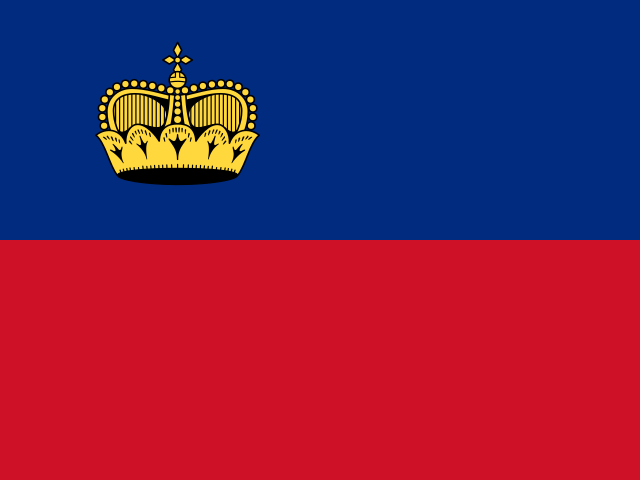
Liechtenstein is a postage-stamp principality between Switzerland and Austria: a castle above Vaduz, a short stretch of Rhine, and vineyards that look like someone folded the Alps into a village. You can walk the capital in an afternoon. That is not a slight — it is the geometry. Most people arrive by train to Sargans or Buchs in Switzerland, or Feldkirch in Austria, then finish on a yellow bus that already feels Swiss.
The money is the Swiss franc (CHF), not the euro. Cards work. Paying in euros if someone accepts them is how you collect a bad rate and change in francs anyway. Customs and day-to-day shopping have a Swiss feel because Liechtenstein sits in the Swiss customs area: grocery brands, cleanliness, and prices that will not pretend to be Austrian-bargain.
Hike the Fürstensteig if you have a head for exposure, ride up to Malbun for a bowl of barley soup, and stamp the tourist passport at the tourism office because it is actually fun. German is the language; English is fine in Vaduz. The whole country is a day trip that rewards an overnight if you want the castle lit and the commuter traffic gone.
Do not treat Vaduz as a duty-free mall with a crown on it. Walk the Rhine path, look at the Kunstmuseum if the weather collapses, and take the bus one valley over. The pleasure is scale: a state you can understand with your feet.