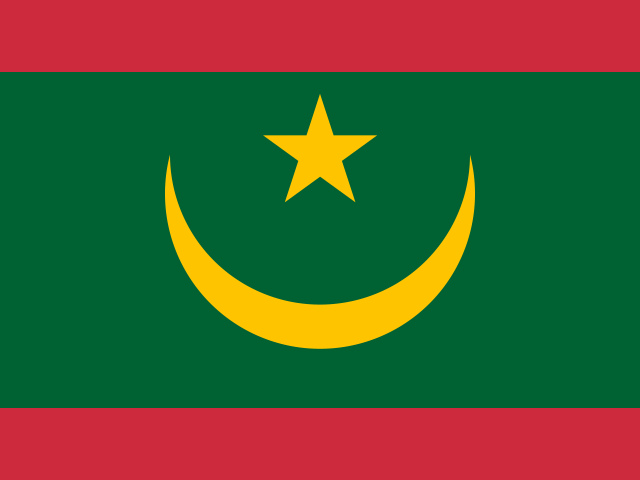
Mauritania is Atlantic Africa turning into the Sahara: Nouakchott's fish market at dawn, a capital that still feels like it was sketched on sand, and an iron-ore train from the interior toward Nouadhibou that travelers ride because it is one of the longest in the world and because the desert at night does not care about your neck pillow. Chinguetti and the Adrar are stone towns and dunes for people who planned the logistics, not a weekend whim.
Money is the ouguiya (MRU), a currency that has been redenominated once already in living memory — confirm notes with a local if a price looks like it is from the old books. Cash is king. Arabic and Hassaniya own the street; French works in administration and with people who deal with foreigners. Type C plugs. The cooler months are when desert travel is a hike rather than a medical event.
Eat grilled fish on the Nouakchott coast, drink tea in the three-glass ritual if you are invited, and dress for conservative public space. Shared taxis and bush taxis are the network; a hired 4x4 is the Adrar conversation. The train is cargo first, passengers second — bring a scarf for iron dust, food, and a sense of humor.
A first trip that works is Nouakchott plus either the train story or a properly organized Adrar loop, not both crammed into four days. Check current official travel advice. Mauritania is not a beach club with a desert backdrop. It is a logistics country that happens to be beautiful when the plan holds.