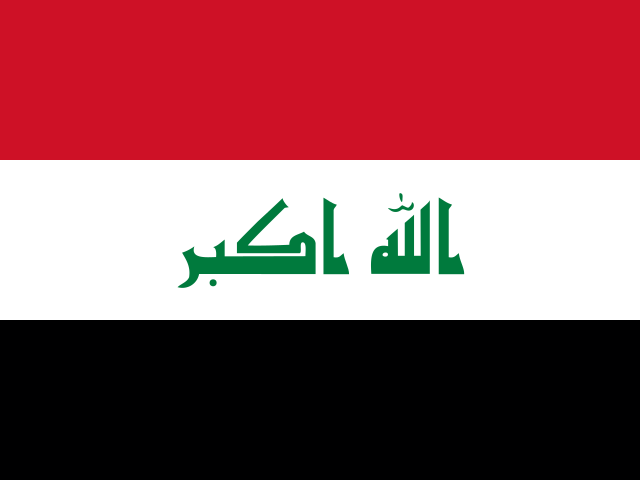
Iraq's visitor map, for most people who come now, is a set of cities and roads: Baghdad's museums and river, Erbil's citadel and malls in the Kurdistan Region, Basra's heat and shatt, the ruins at Babylon on a planned day. Arabic is the default in the centre and south. Kurdish takes over on signs and in shops as you go north. The dinar is a cash instrument you count in thousands of notes; cards are a hotel and mall story, not a souq story.
Hotels commonly register your passport. Keep the paper trail tidy. Intercity movement is often a flight or a driver who already knows the checkpoint rhythm — build time, not drama, into the day. Eat masgouf by the water in Baghdad if that is the house special, Kurdish breakfast in Erbil, and tea whenever it is offered. Friday rearranges opening hours.
Connectivity is a city product. Zain and Asiacell are the names you hear widely; Korek is the one that matters in much of the Kurdistan Region. Highways and archaeological sites drop to a bar or none. Download maps, your driver's number and the hotel pin before you leave the lobby. That is the whole logistics brief: cash, registration, which network, which city.